
After years of helping pet parents find the perfect fit, I've learned that proper measurement is the difference between clothing your pet loves wearing and pieces that gather dust in a drawer. Getting accurate measurements isn't complicated, but it does require understanding what to measure and how to measure it correctly.
This guide walks you through the entire process, whether you're shopping for your first dog sweater or adding to an established wardrobe. With the right approach, you'll get measurements that translate to comfortable, well-fitting apparel every time.
Why Accurate Measurements Matter
Unlike human clothing where "close enough" often works, pet apparel requires precision. Pets can't adjust ill-fitting clothes themselves—they rely entirely on us to ensure comfort. A sweater that's too tight restricts movement and causes stress. One that's too loose can tangle around legs or catch on objects during play.
Proper fit also affects whether your pet will tolerate wearing clothing at all. Many pets who seem to "hate" clothes simply dislike poorly fitted garments. When something fits well—moving with them rather than against them—most pets accept or even enjoy wearing it.
Essential Tools You'll Need
Before you begin, gather these items:
- Soft measuring tape: Fabric tape measures designed for sewing work best. They're flexible and won't cause discomfort.
- Treats: Positive reinforcement makes measurement sessions pleasant and helps your pet stand still.
- Helper (optional but recommended): Someone to steady your pet while you measure ensures accuracy.
- Notebook: Record measurements for future reference. Pets grow, and having historical measurements helps track changes.
The Three Critical Measurements
Most pet clothing requires three primary measurements. Master these, and you'll be equipped to size nearly any garment correctly.
Measurement 1: Neck Circumference
What it is: The circumference of the neck where a collar typically sits.
How to measure: Wrap the measuring tape around the base of your pet's neck (where it meets the shoulders). The tape should be snug but not tight—you should be able to slip two fingers underneath comfortably.
Why it matters: Determines neckline fit for sweaters, hoodies, and shirts. Too tight causes discomfort and restricts breathing; too loose allows garments to slip or bunch.
Measurement 2: Chest/Girth
What it is: The widest part of the chest, typically just behind the front legs.
How to measure: Measure around the broadest part of the ribcage, usually right behind the front legs. This is often the largest measurement and determines overall garment size.
Why it matters: The most critical measurement for sizing. If chest measurement falls between sizes, size up for comfort and to allow for full range of motion.
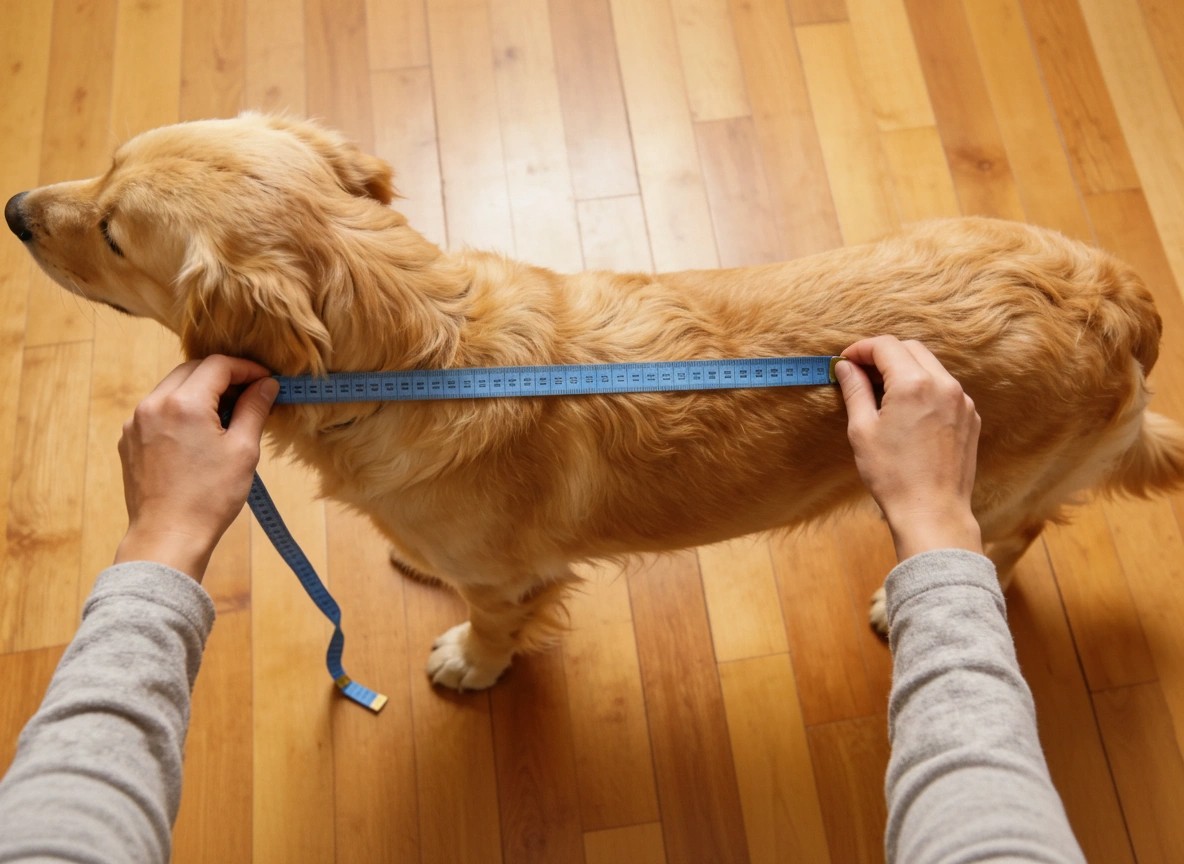
Measurement 3: Back Length
What it is: Length from the base of the neck to the base of the tail.
How to measure: With your pet standing, measure from where the collar sits (base of neck) to where the tail begins. Keep the tape flat along the spine.
Why it matters: Determines whether a garment will cover appropriately without being too long or too short. Particularly important for coats and sweaters.
Step-by-Step Measurement Process
Preparation
Choose a time when your pet is calm and relaxed. After a walk or play session often works well—they'll have energy burned off but won't be so tired they're impatient. Never force measurement if your pet is stressed or anxious.
Have your pet stand naturally on a flat, level surface. Avoid surfaces where they might slip, as this causes tension that can affect measurements. A non-slip rug on hardwood floor works well.
The Measuring Session
Step 1: Neck Circumference
Start here as it's typically the least invasive measurement. Wrap the tape around the base of the neck where a collar sits. Make it snug enough to stay in place but loose enough that you can slip two fingers underneath easily. Note the measurement.
Step 2: Chest Girth
This measurement requires the most precision. Feel for your pet's ribcage behind the front legs—this is the widest part. Wrap the tape completely around, keeping it level and perpendicular to the spine. The tape should be snug but allow for full breathing. If your pet is very fluffy, make sure you're measuring their actual body, not just fur.
Step 3: Back Length
Place the zero point of your tape at the base of the neck (where a collar sits). Run the tape along the spine to the base of the tail (not the tip of the tail). Keep the tape flat and straight—don't follow the natural curve of the back too closely, as this will give an inaccurate measurement.
Breed-Specific Considerations
Deep-Chested Breeds (Greyhounds, Whippets, Great Danes)
These breeds have proportionally larger chest circumferences relative to their weight. Standard sizing often doesn't accommodate their unique build. When in doubt, size up and look for adjustable features. MooseKnee designs specifically accommodate deep-chested breeds with our adjustable belly straps.
Short-Legged Breeds (Dachshunds, Corgis, Basset Hounds)
Long backs paired with short legs mean standard proportions rarely work. Pay particular attention to back length measurement, and look for garments designed specifically for these body types. Avoid clothing that extends past the back legs, as it will drag or bunch.
Barrel-Chested Breeds (Bulldogs, Pugs, French Bulldogs)
Wide chests and thick necks require careful attention to both neck and chest measurements. These breeds often need custom or specialized sizing. If chest measurement suggests one size but neck measurement suggests another, choose the larger size for comfort.
Fluffy Breeds (Pomeranians, Samoyeds, Chow Chows)
Thick fur can add significant inches to measurements. Make sure you're measuring the actual body beneath the fur, not just the outer coat. Press gently but firmly to ensure accuracy. For these breeds, adjustable closures are especially valuable.
Special Measurements for Specific Items
Some garments require additional measurements beyond the basic three:
For Boots/Shoes: Measure paw width at the widest point and from back of paw pad to end of longest nail.
For Hats/Hoods: Measure head circumference just in front of ears.
For Harnesses: Both chest girth and weight are important. Also measure from base of neck to point between front legs for proper strap placement.
How to Use Your Measurements
Once you have accurate measurements, consult the specific sizing chart for each garment you're considering. Sizing isn't universal—a "medium" from one brand may fit differently than a "medium" from another.
General Sizing Guidelines
| Size | Neck (inches) | Chest (inches) | Back Length (inches) |
|---|---|---|---|
| XS | 8-10 | 10-13 | 8-10 |
| S | 10-12 | 13-16 | 10-12 |
| M | 12-15 | 16-20 | 12-15 |
| L | 15-18 | 20-25 | 15-18 |
| XL | 18-22 | 25-30 | 18-22 |
Note: This is a general guide. Always refer to specific product sizing charts, as measurements vary by style and manufacturer.
Common Measurement Mistakes to Avoid
Measuring over thick fur without accounting for it: Always press through fur to measure the actual body. Otherwise, you'll order sizes too large.
Measuring a moving target: Pets must stand still for accurate measurements. Use treats and patience; never force cooperation.
Using a metal tape measure: The rigidity causes discomfort and makes wrapping around curves difficult. Always use fabric measuring tape.
Pulling tape too tight or leaving it too loose: Both create inaccurate measurements. The tape should lie flat against the body without compression.
Assuming all "mediums" are equal: Sizing varies significantly between brands and styles. Always check specific sizing charts.
After Ordering: Fit Check
When your garment arrives, check fit before removing tags or washing:
- Neck: Should be snug enough not to slip over the head unintentionally but loose enough for easy breathing and swallowing.
- Chest: Your pet should be able to move freely without restriction. You should be able to slip your hand underneath easily.
- Length: Should cover the desired area without extending past back legs (which can cause tripping) or leaving gaps (which defeats weatherproofing).
- Movement test: Have your pet walk, sit, and lie down. The garment should move with them without riding up, twisting, or restricting motion.
If any area seems restrictive or uncomfortable, consider sizing up or contacting customer service for guidance before your return window closes.
Recording and Maintaining Measurements
Keep a record of your pet's measurements, updating them every 6-12 months or after significant weight changes. Store this information with photos of your pet in well-fitting garments. This documentation helps with future purchases and can be invaluable if you're shopping online without the ability to try items on first.
For puppies and kittens, measure monthly as they grow. This helps you anticipate when they'll outgrow current clothing and plan accordingly.